
We help environmental consultants move faster.
Ama Earth Group streamlines document review, analysis, and report drafting — so consultants can focus on judgment, not busywork.
How It Works
1. Upload Site Info
Share what you already have — site details, PDFs, records, or source links.
2. We Process Your Sources
We extract and organize key information across your documents and datasets.
3. Get Review-Ready Outputs
Receive structured tables, findings summaries, and draft report sections with supporting citations.
4. Consultant Review
Every output is reviewed by an environmental consultant before delivery.
Built for Environmental Consulting
Designed to support real consulting workflows — from record review to report-ready drafts.
Document-First Workflows
Built to work with real records — city directories, regulatory databases, maps, PDFs, and prior reports.
Structured Outputs
Tables, summaries, and draft sections returned in clean formats designed for review and reuse.
Source-Linked Findings
Every key finding is tied to its source so validation is fast and defensible.
Our Work
Our Story
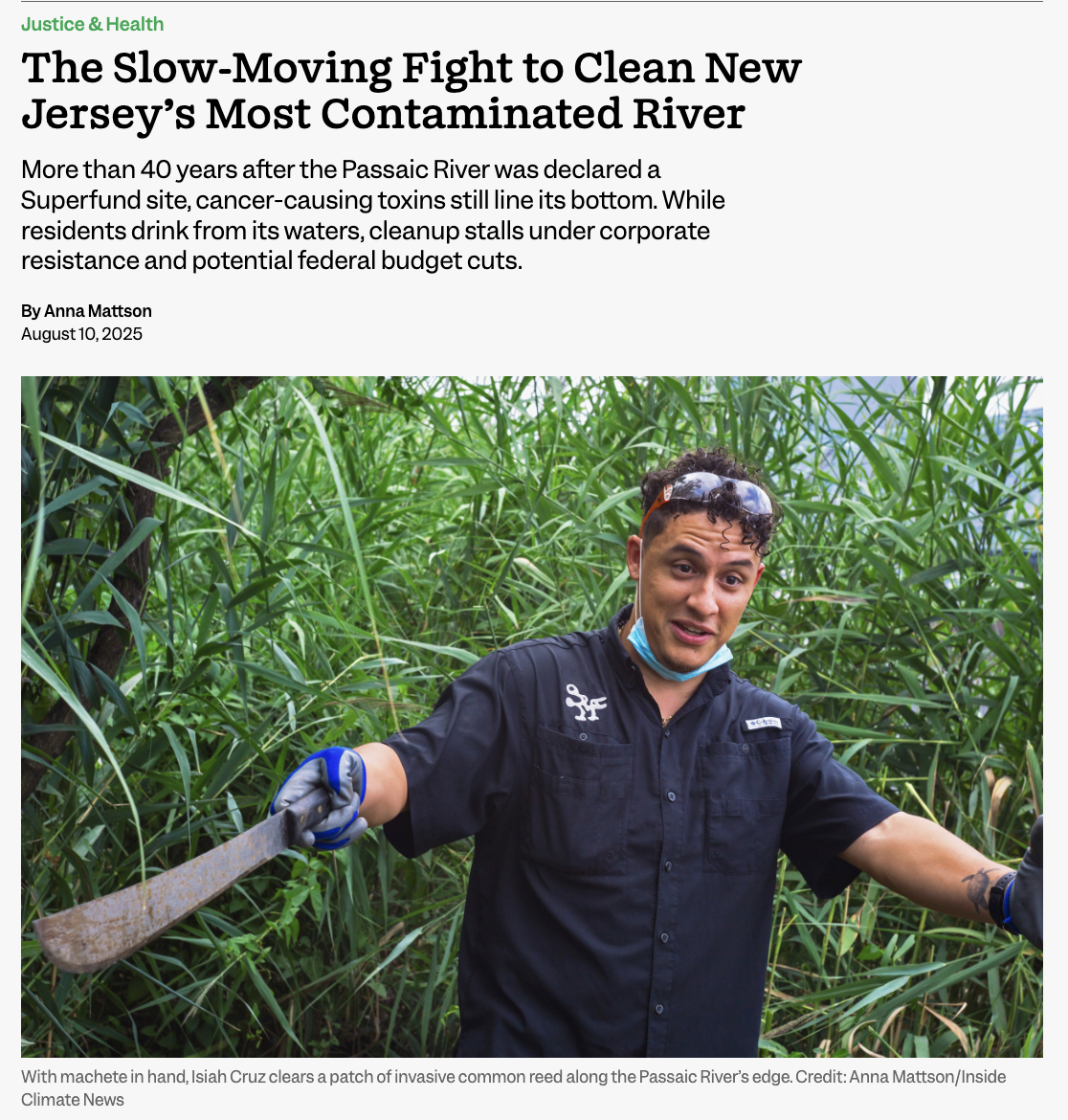
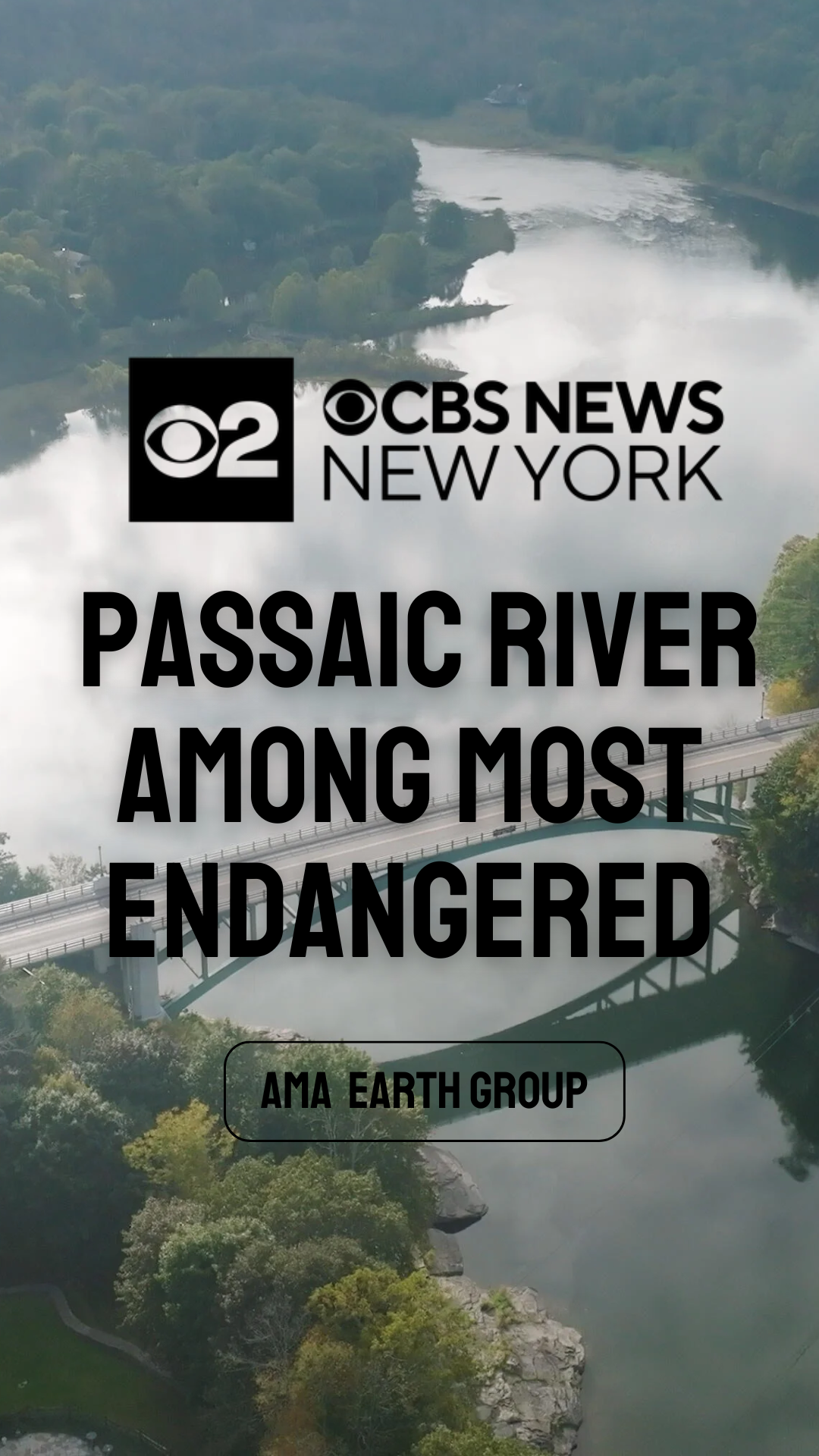
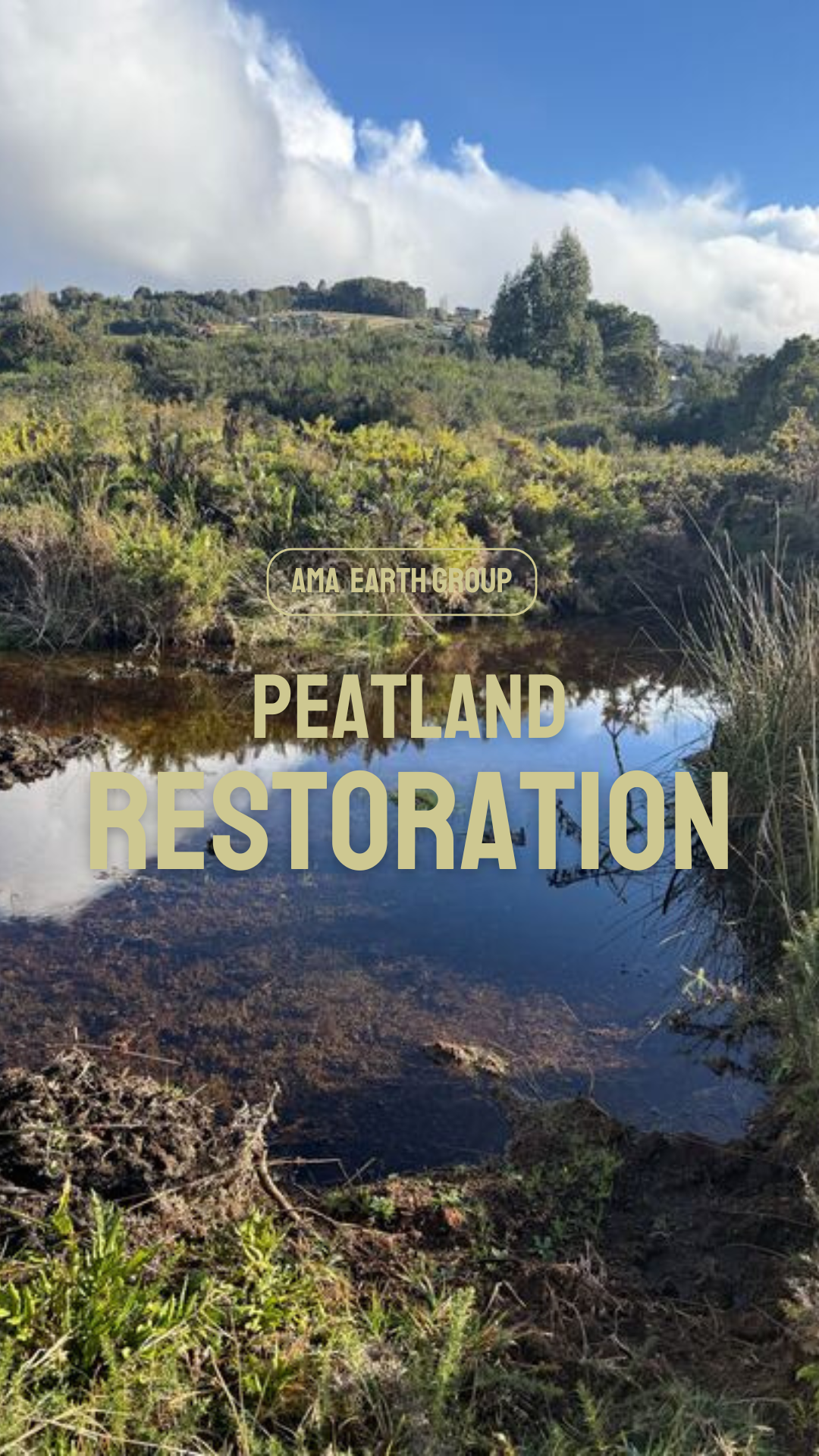
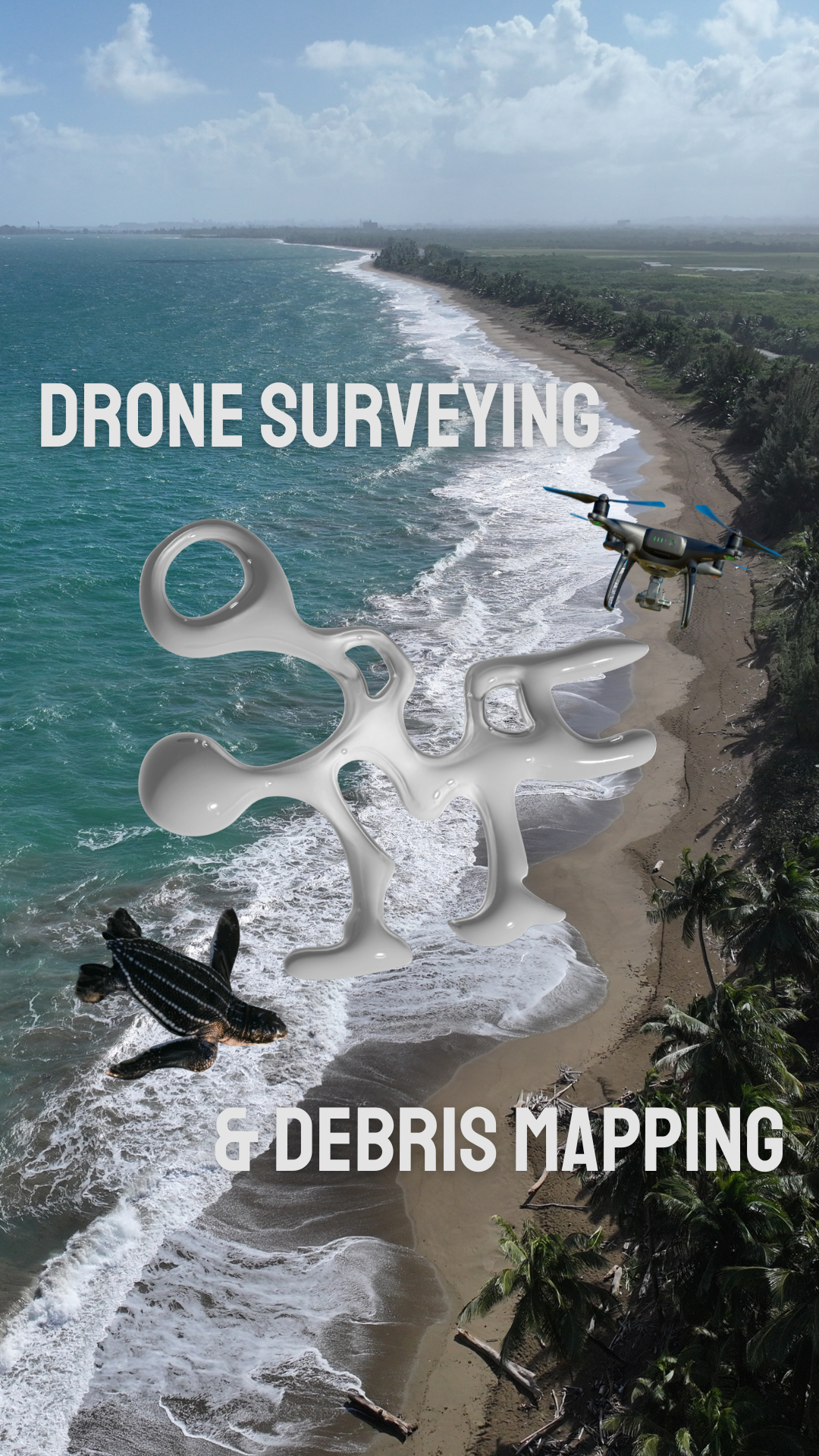
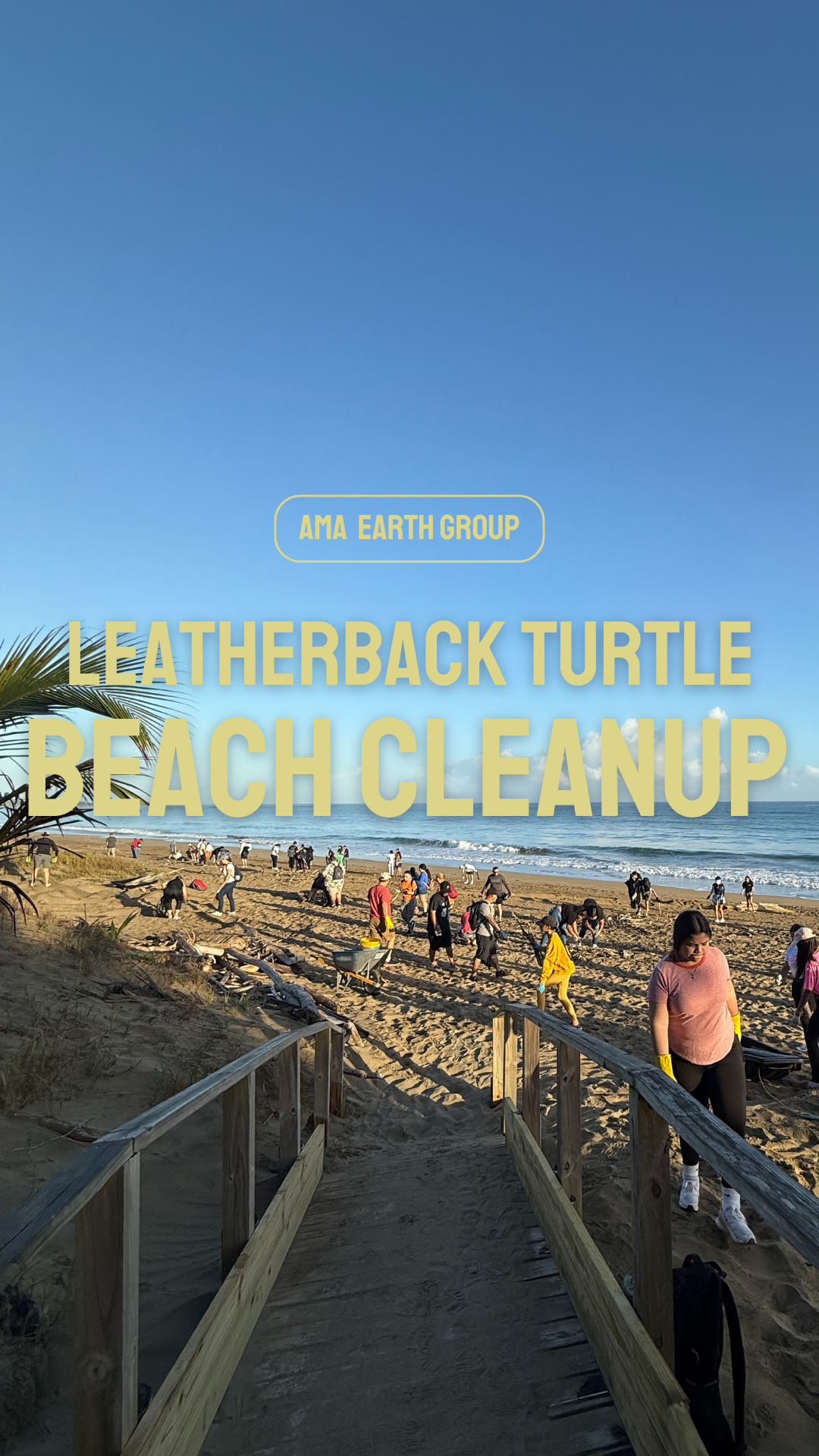
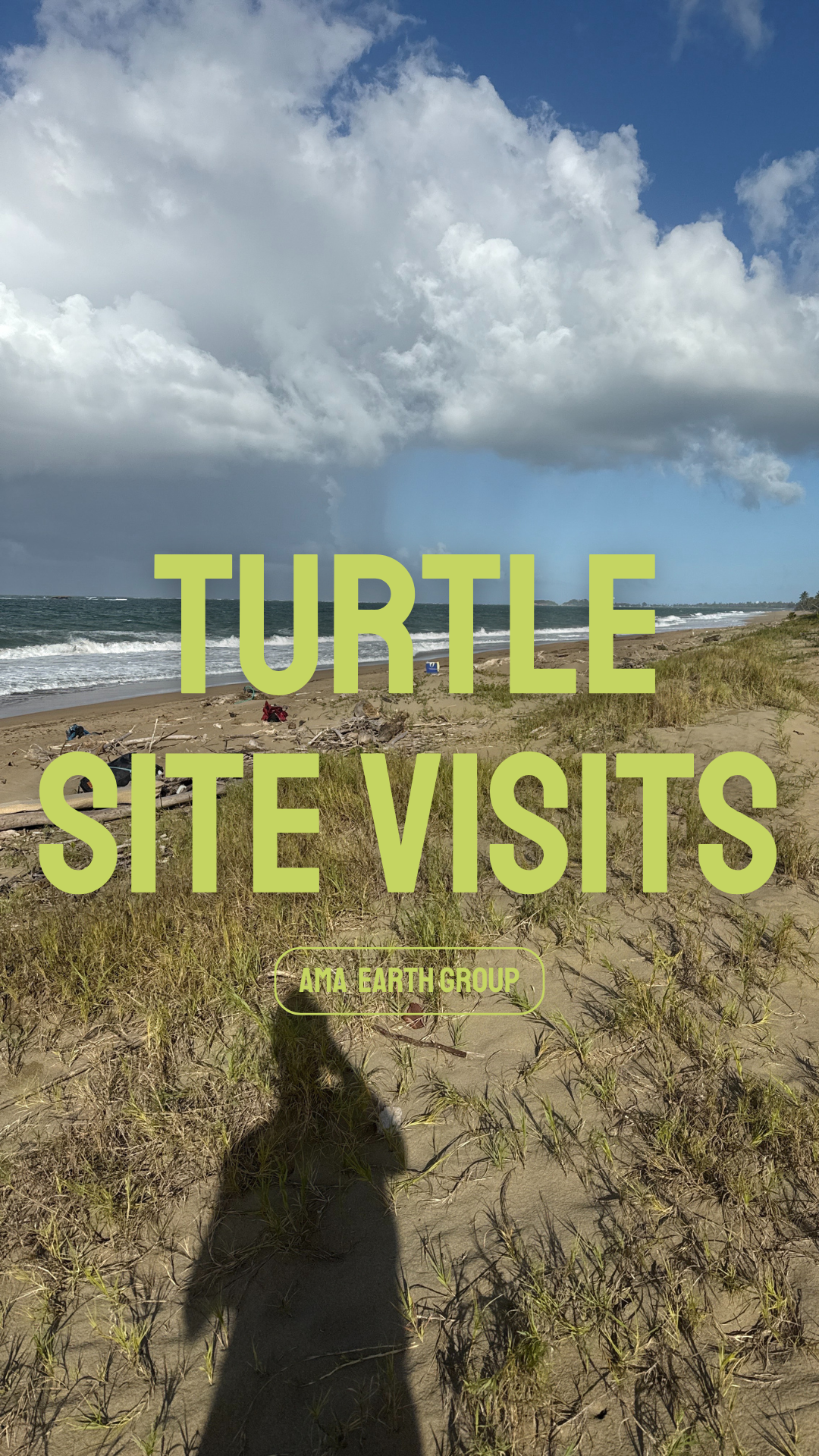
Ama Earth Group began with hands-on environmental restoration projects across rivers, coasts, and peatlands. After leading 12+ projects across 4 countries, we learned first-hand how manual and time-consuming environmental reporting can be.
Our environmental projects remove over 25,000 pounds of carbon from the atmosphere annually and achieved national recognition from outlets and organizations like CBS News, American Rivers & Greenpeace International.
Our Mission
To restore ecosystems by empowering consultants with intelligence tools that save time, cut costs, and scale impact. We believe the future of environmental protection lies in giving professionals the tools they need to focus on what matters most: expert judgment and ecological outcomes.
Our Vision
A future where every environmental professional has supercharged intelligence at their fingertips — accelerating reports, reducing risk, and freeing time for the work that matters most: protecting land and communities.
Ready to see what the outputs look like?
Try workflows and download real deliverables before you pay.
Be first to get early access.
Talk with our team to see if it's a fit.