
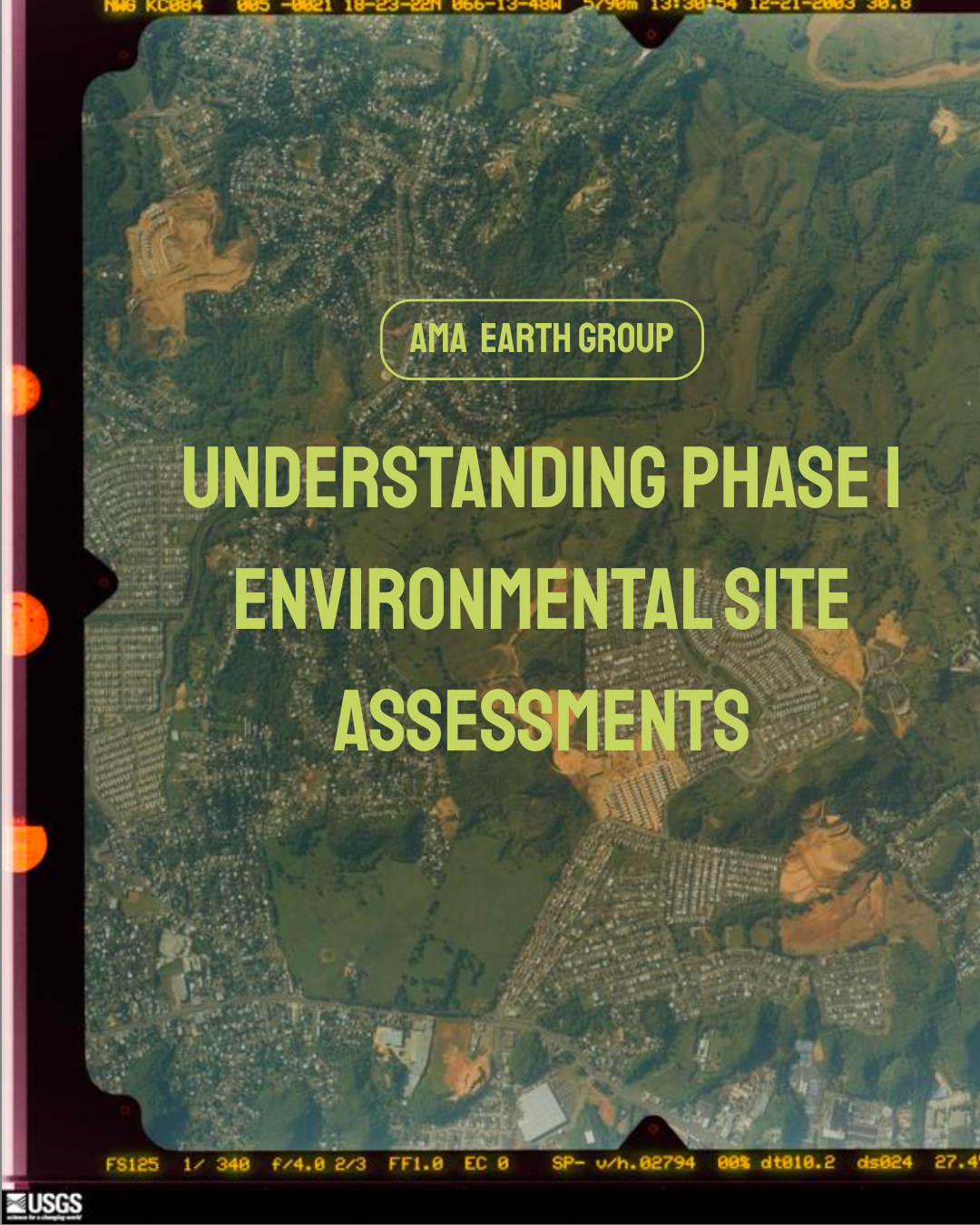
Understanding Phase I Environmental Site Assessment
In the world of real estate and property transactions, understanding the potential environmental liabilities of a site is crucial. This is where the Phase I Environmental Site Assessment (ESA) comes into play. A Phase I ESA is a thorough evaluation of a property's historical and current use to identify any potential or existing environmental contamination. But why is this assessment necessary? Not only does it help property owners and investors comply with legal requirements, but it also plays a vital role in assuring property value and mitigating risks associated with hazardous materials.
In this blog post, we will explore the critical aspects of a Phase I ESA, including its purpose, the process involved in conducting one, and how to interpret the findings in the resulting report. Whether you are a property buyer, seller, or investor, understanding the Phase I ESA can empower you to make informed decisions and safeguard your investment against unforeseen environmental liabilities. Join us as we delve into the significance of this essential assessment in the realm of real estate transactions.
Introduction: What is a Phase I Environmental Site Assessment (ESA)?
A Phase I Environmental Site Assessment (ESA) is a systematic process designed to identify potential environmental contamination risks associated with a specific property. This assessment is crucial for anyone involved in real estate transactions, including buyers, sellers, lenders, and investors. The primary goal of a Phase I ESA is to assess the property's past and present conditions to determine if any hazardous substances or environmental concerns exist that could pose liabilities.
The Phase I ESA is typically the first step in the due diligence process when a property is being bought or sold. It involves a combination of historical research, site inspections, and interviews with knowledgeable individuals to gather comprehensive information about the site. The assessment follows guidelines established by the American Society for Testing and Materials (ASTM), specifically ASTM E1527-13, which outlines the necessary steps to conduct a thorough evaluation.
The results of a Phase I ESA culminate in a report that details any recognized environmental conditions (RECs), historical uses of the property that could indicate potential contamination, and recommendations for further investigation if necessary. This report serves as a vital tool for stakeholders to make informed decisions about the property in question.
In addition to identifying potential hazards, a Phase I ESA can help property owners and investors comply with federal and state regulations, protect property value, and reduce risks associated with environmental liabilities. Given the increasing emphasis on environmental stewardship and regulatory compliance, understanding the Phase I ESA process is essential for anyone engaged in real estate transactions. In the following sections, we will explore the necessity of a Phase I ESA, the steps involved in conducting one, how to interpret the findings, and what to expect after the assessment is completed.
Why is a Phase I ESA Necessary?
Understanding the necessity of a Phase I Environmental Site Assessment (ESA) is fundamental for anyone involved in real estate transactions. This section will explore the critical reasons why conducting a Phase I ESA is essential, focusing on three primary motivations: identifying potential or existing environmental contamination liabilities, complying with legal requirements, and assuring property value.
Identifying Potential or Existing Environmental Contamination Liabilities
One of the foremost reasons for conducting a Phase I ESA is to identify potential or existing environmental contamination liabilities associated with a property. Contamination can arise from various sources, including but not limited to:
- Historical Industrial Use: Properties that were previously used for industrial purposes, such as factories or chemical plants, may have residual pollutants in the soil or groundwater. For instance, the former site of the DuPont chemical plant in Old Hickory, Tennessee, has faced scrutiny due to its legacy of chemical manufacturing and the associated environmental risks.
- Improper Waste Disposal: Sites that have been used for dumping hazardous materials or that have experienced spills can pose significant risks. For instance, contaminated sites in Love Canal, New York, have become infamous for the public health crisis linked to hazardous waste disposal.
- Contaminated Surrounding Areas: Even if a property itself has not been directly contaminated, it may be affected by environmental issues from adjacent properties. For example, properties near the former industrial zones in Detroit, Michigan, often face challenges due to surrounding contamination.
Identifying these liabilities early in the transaction process can save buyers and investors from unexpected costs and legal challenges associated with cleanup and remediation.
Complying with Legal Requirements
A Phase I ESA is often a requirement in various legal and regulatory contexts. Federal regulations, such as the Comprehensive Environmental Response, Compensation, and Liability Act (CERCLA), provide certain protections for buyers who conduct a Phase I ESA prior to acquiring a property. By completing this assessment, buyers can demonstrate "due diligence," which can protect them from potential liability for past contamination issues.
Additionally, many lenders require a Phase I ESA before approving financing for real estate transactions. This is especially true for commercial properties, where financial institutions want to safeguard their investments against environmental risks. For example, banks involved in real estate transactions in California frequently mandate a Phase I ESA to comply with the California Environmental Quality Act (CEQA) and to assess any potential liabilities that could affect property value.
Assuring Property Value
Another critical reason for conducting a Phase I ESA is to protect and assure property value. Environmental contamination can lead to significant devaluation of a property and may hinder its marketability. If potential buyers discover contamination issues after a sale, it can result in costly remediation efforts and legal disputes.
For example, the infamous case of the contamination at the former Ford Motor Company plant in San Jose, California, illustrates how environmental issues can drastically affect property value. Following the discovery of significant contamination, the site faced extensive cleanup efforts and legal battles, which ultimately reduced its market appeal.
By conducting a Phase I ESA, property owners and investors can gain insights into any environmental risks that may affect their investment. If contamination is identified, they can make informed decisions about further assessments or remediation plans, thereby mitigating risks and protecting their property's value.
The Process of Conducting a Phase I ESA
Conducting a Phase I Environmental Site Assessment (ESA) is a structured process that involves several key steps aimed at gathering comprehensive information about a property's environmental history and current conditions. This section will outline the essential components of the Phase I ESA process, which typically includes a site visit and visual inspection, a historical review, interviews with knowledgeable individuals, and the preparation of a detailed report.
Site Visit and Visual Inspection
The first step in conducting a Phase I ESA is a thorough site visit and visual inspection of the property. This visit is crucial for identifying any obvious signs of contamination or environmental concerns. During the inspection, the environmental consultant will evaluate various aspects of the site, including:
- Current Use: The consultant will observe the current use of the property to assess any activities that may pose environmental risks. For example, a site currently operating as a gas station may have potential contamination from fuel spills.
- Surrounding Environment: The inspection will also consider the neighboring properties and their potential impact on the site. For instance, if a property is adjacent to a manufacturing facility, there may be concerns about air and soil quality.
- Storage Practices: The consultant will look for any areas where hazardous materials may be stored improperly, such as chemicals, oil tanks, or waste disposal areas. An example can be drawn from the assessments conducted at abandoned auto repair shops, where improper storage of oils and solvents can lead to soil and groundwater contamination.
- Physical Features: The assessment includes noting physical features of the site, such as drainage patterns, vegetation, and topography, which can influence the movement of contaminants.
By thoroughly inspecting the site, the consultant can identify any visible evidence of contamination or conditions that warrant further investigation.
Historical Review
Following the site visit, the next critical step in the Phase I ESA process is conducting a historical review of the property. This involves researching the property's past uses and any activities that may have contributed to environmental contamination. Key components of the historical review include:
- Title Searches: Reviewing historical property title records can provide insight into previous owners and uses of the property. For instance, a title search on a property in Chicago may reveal a history of industrial operations that could indicate potential contamination.
- Sanborn Maps: These historical fire insurance maps can offer valuable information about past land uses, including the locations of gas stations, factories, and other potential sources of contamination.
- Local Government Records: Environmental consultants often access local government records, including zoning permits and environmental reports, to gather information about the property's history. Notably, records from local environmental agencies in areas like New Jersey can reveal past violations or remediation efforts.
- Previous Environmental Assessments: If there have been prior environmental assessments conducted on the property, these documents can provide valuable context and lead to a better understanding of the site's environmental history.
Interviews with Property Owners, Occupants, and Local Government Officials
Interviews with individuals who have knowledge of the property are an essential part of the Phase I ESA process. This can include current and former property owners, occupants, and local government officials. These interviews can uncover valuable information that may not be evident through documentation alone. Key points to consider include:
- Personal Experiences: Current and former occupants can provide firsthand accounts of any unusual occurrences, spills, or hazardous materials that were present on the property. For instance, a former employee of a manufacturing facility may recall improper waste disposal practices that could indicate contamination.
- Local Government Insights: Local officials can share information about environmental permits, violations, and historical incidents in the area that may affect the property. Engaging with officials from the Environmental Protection Agency (EPA) or local health departments can yield critical insights.
- Community Knowledge: Engaging with community members can reveal anecdotal evidence of environmental issues, such as reports of unusual odors or health concerns related to the property.
Report Preparation
After gathering all relevant information through site inspections, historical reviews, and interviews, the final step in the Phase I ESA process is to prepare a comprehensive report. This report serves as a formal documentation of the findings and includes the following key components:
- Executive Summary: A concise overview of the main findings and conclusions of the assessment, highlighting any recognized environmental conditions (RECs).
- Site Description: A detailed description of the property's current condition, including its use, location, and any notable features.
- Historical Findings: A summary of the historical review, outlining past uses and any activities that could have led to contamination.
- Interviews and Observations: A section detailing key insights gained from interviews with individuals knowledgeable about the property.
- Conclusions and Recommendations: The report concludes with recommendations for further action if necessary, such as conducting a Phase II ESA for more in-depth testing and analysis.
In summary, the process of conducting a Phase I Environmental Site Assessment is a critical and systematic approach to identifying potential environmental liabilities associated with a property. By following the steps outlined—site visit and visual inspection, historical review, interviews, and report preparation—stakeholders can obtain valuable insights that inform their decisions during real estate transactions. Understanding this process equips buyers, sellers, and investors with the knowledge they need to navigate environmental concerns effectively.
Understanding the Phase I ESA Report
The Phase I Environmental Site Assessment (ESA) report is the culmination of the assessment process and serves as a critical tool for stakeholders involved in real estate transactions. This report summarizes the findings from the site visit, historical review, interviews, and any other investigative activities conducted during the assessment. Understanding the components and implications of the Phase I ESA report is essential for interpreting its findings effectively. This section will discuss how to interpret recognized environmental conditions (RECs), evaluate other findings, and understand the recommendations for further action.
Interpreting Recognized Environmental Conditions (RECs)
One of the key elements of the Phase I ESA report is the identification of Recognized Environmental Conditions (RECs). RECs are defined as the presence of hazardous substances or petroleum products in, on, or at a property that may pose a risk to human health or the environment. Understanding RECs is crucial for assessing potential liabilities associated with the property. Here are some critical aspects of RECs to consider:
Types of RECs: The report may identify various types of RECs, including:
- Historical RECs: These are conditions that may have existed in the past but are no longer present. For example, if a property was previously a dry cleaner, residual contaminants may remain even if the business has ceased operations.
- Current RECs: These conditions represent ongoing environmental concerns, such as active spills or improper storage of hazardous materials on the property.
- De Minimis Conditions: These are minor issues that do not pose a significant risk but are worth noting for transparency. An example may include the presence of small quantities of non-hazardous materials stored on-site.
The identification of RECs can have significant implications for property transactions. Buyers may be required to conduct further investigations, such as a Phase II ESA, to assess the extent of contamination. Lenders may also be hesitant to finance properties with identified RECs due to the associated risks.
Evaluating Other Findings
In addition to RECs, the Phase I ESA report will include other findings that may be relevant to the property's environmental condition. These findings can provide context and help stakeholders understand the overall environmental profile of the property. Key points to consider include:
- Non-Recognized Environmental Conditions: The report may identify conditions that do not qualify as RECs but still warrant attention. For example, the presence of lead-based paint in an older building may not be classified as a REC, but it can pose health risks, especially for children.
- Potential Environmental Concerns: The report may highlight concerns related to neighboring properties or environmental factors that could impact the site. For instance, if the property is located near a brownfield site or is within a floodplain, these factors could pose future risks.
- Regulatory Compliance: The report may address whether the property complies with applicable environmental regulations and permits. This can be crucial for buyers and lenders to understand the legal standing of the property concerning environmental issues.
Recommendations for Further Action
The Phase I ESA report will conclude with recommendations for further action based on the findings. Understanding these recommendations is essential for stakeholders to determine the next steps in the real estate transaction. Key considerations include:
- Phase II ESA: If RECs or significant environmental concerns are identified, the report may recommend conducting a Phase II ESA. This follow-up assessment involves collecting soil, groundwater, and air samples to analyze the extent of contamination and assess the potential impact on human health and the environment.
- Remediation Plans: If contamination is confirmed, the report may outline potential remediation strategies to address the issues. This could involve soil excavation, groundwater treatment, or implementing engineering controls.
- Monitoring and Risk Management: In some cases, the report may recommend ongoing monitoring or risk management practices to mitigate exposure to potential hazards. This could include regular inspections, environmental monitoring programs, or establishing safety protocols for property occupants.
- Legal and Financial Considerations: The report may also provide guidance on potential legal and financial implications related to environmental liabilities. Stakeholders should consider seeking legal advice to understand their responsibilities and options for managing any identified risks.
In summary, understanding the Phase I Environmental Site Assessment report is crucial for making informed decisions about property transactions. By interpreting Recognized Environmental Conditions, evaluating other findings, and considering recommendations for further action, stakeholders can gain valuable insights into the environmental profile of a property. This understanding not only aids in assessing potential liabilities but also empowers buyers, sellers, and investors to navigate the complexities of environmental issues in real estate transactions effectively.
What to Expect After a Phase I ESA
Once a Phase I Environmental Site Assessment (ESA) has been completed and the report has been delivered, stakeholders must understand the next steps and potential outcomes. The findings of the Phase I ESA can significantly influence the direction of a real estate transaction, whether it leads to further assessments, remediation efforts, or legal considerations. This section will discuss the potential outcomes following a Phase I ESA, the transition to a Phase II ESA if needed, and strategies for risk management.
Potential Outcomes
The results of a Phase I ESA can lead to several possible outcomes, depending on the findings. Understanding these outcomes helps stakeholders make informed decisions about the property:
- No Recognized Environmental Conditions: If the Phase I ESA finds no RECs or significant environmental concerns, stakeholders can proceed with confidence. This outcome often indicates that the property is a lower risk for environmental liabilities, allowing the transaction to move forward without further investigation.
- Identified RECs Requiring Further Investigation: If the assessment identifies RECs, stakeholders must evaluate the implications. Buyers may need to negotiate terms in the purchase agreement to address potential risks or costs associated with the contamination. For example, a buyer may request the seller to cover the costs of a Phase II ESA or remedial actions if required.
- Disclosure Requirements: In some jurisdictions, buyers may be legally required to disclose the findings of the Phase I ESA to prospective tenants or future buyers. This disclosure can impact the property's marketability and may necessitate additional due diligence.
- Impact on Financing: Lenders may reconsider financing options based on the findings of the Phase I ESA. Identified environmental risks can lead to higher interest rates, additional requirements for insurance coverage, or even denial of financing altogether.
Phase II Environmental Site Assessment
If the Phase I ESA identifies RECs or significant environmental concerns that warrant further investigation, stakeholders may choose to conduct a Phase II ESA. This follow-up assessment delves deeper into the environmental conditions of the property and typically includes:
- Soil and Groundwater Sampling: A Phase II ESA often involves collecting soil, groundwater, or air samples for laboratory analysis. For instance, if a former dry cleaning site is found to have RECs, samples may be tested for perchloroethylene (PERC) contamination.
- Detailed Analysis of Findings: The results of the Phase II ESA will provide a more comprehensive understanding of the extent and severity of contamination, allowing stakeholders to assess potential risks accurately.
- Cost and Time Considerations: Phase II ESAs can be resource-intensive and may take longer to complete than a Phase I ESA. Stakeholders should be prepared for the associated costs and timelines, as they may extend the overall transaction process.
- Remedial Action Planning: If contamination is confirmed, the Phase II ESA report will outline potential remediation strategies and costs. Stakeholders must be ready to address these findings and develop a plan for cleanup, which may involve significant financial investment and regulatory compliance.
Risk Management Strategies
Regardless of the outcomes of the Phase I ESA or any subsequent assessments, it is essential for stakeholders to implement risk management strategies to address any identified environmental concerns. Key strategies may include:
- Developing a Remediation Plan: If contamination is present, stakeholders should work with environmental professionals to develop a comprehensive remediation plan that outlines the steps necessary to address the contamination and mitigate risks. This plan will need to comply with local, state, and federal regulations.
- Insurance Coverage: Environmental insurance can provide financial protection against potential liabilities associated with contamination. Stakeholders should consider obtaining coverage that addresses specific environmental risks identified during the assessments.
- Regular Monitoring and Maintenance: For properties with ongoing environmental concerns, implementing a monitoring and maintenance plan can help manage risks effectively. This may include regular site inspections, monitoring of soil and groundwater quality, and adherence to safety protocols.
- Training and Education: Ensuring that employees, tenants, or occupants are educated about potential environmental risks and safety measures is crucial. Providing training can help minimize exposure and promote a culture of safety on the property.
- Engaging with Regulatory Agencies: Maintaining open communication with local, state, and federal environmental agencies can help ensure compliance with regulations and facilitate the remediation process if necessary.
In summary, understanding what to expect after a Phase I Environmental Site Assessment is vital for all stakeholders involved in real estate transactions. Whether the outcome indicates no further action is necessary or prompts the need for a Phase II ESA and remediation efforts, being prepared for potential outcomes and implementing effective risk management strategies are essential for navigating environmental issues in real estate successfully. By taking proactive steps, stakeholders can protect their investments and foster responsible environmental stewardship.
Conclusion: The Importance of Phase I ESA in Real Estate Transactions
In the complex landscape of real estate transactions, a Phase I Environmental Site Assessment (ESA) serves as an indispensable tool for identifying and managing potential environmental liabilities. As we have explored throughout this blog post, the Phase I ESA process plays a critical role in ensuring that stakeholders—be they buyers, sellers, lenders, or investors—are well-informed about the environmental conditions of a property before finalizing a transaction.
The importance of conducting a Phase I ESA cannot be overstated. By revealing recognized environmental conditions (RECs) and other potential liabilities, this assessment protects stakeholders from unforeseen legal and financial ramifications that can arise from environmental contamination. Properties with undisclosed environmental issues can lead to costly remediation efforts, devaluation, and long-term legal consequences. The Phase I ESA acts as a safeguard, allowing stakeholders to make informed decisions and negotiate terms that protect their interests.
Moreover, the Phase I ESA is not merely a regulatory formality; it enhances the overall value of a property. By demonstrating due diligence and environmental awareness, buyers can assure lenders and future occupants that they are taking responsible steps toward environmental stewardship. This proactive approach not only mitigates risks but can also enhance the property's marketability, as prospective buyers are often more attracted to properties with a clean environmental record.
The findings of a Phase I ESA can also set the stage for further investigations, such as a Phase II ESA, if necessary. By understanding the potential for contamination early in the transaction process, stakeholders can develop effective remediation plans and risk management strategies, thereby reducing the potential for future liabilities. In an era where environmental regulations are becoming increasingly stringent, taking proactive measures is essential for navigating the complexities of real estate transactions.
In conclusion, the Phase I Environmental Site Assessment is a fundamental component of responsible real estate practices. It empowers stakeholders with valuable insights into the environmental history and current conditions of a property, enabling them to make informed decisions that protect their investments. As environmental considerations continue to gain prominence in the real estate market, understanding the significance of a Phase I ESA is paramount for anyone involved in property transactions. By prioritizing environmental due diligence, stakeholders can contribute to a healthier, more sustainable future while safeguarding their financial interests.
Ready to Streamline Your Phase I ESA Process?
Our Phase I ESA tools can help you conduct thorough environmental assessments more efficiently. Schedule a demo to see how we can save you time while maintaining the highest quality standards.